
Cultural significance of gambling across different societies
Cultural significance of gambling across different societies
Historical Context of Gambling
The practice of gambling has ancient roots, tracing back thousands of years across various civilizations. In ancient China, for instance, gambling was intertwined with social gatherings and was often associated with festivities. Archaeological findings suggest that gambling materials, such as dice, were used as early as 3000 BC. Similarly, in ancient Rome, gambling was widely accepted, with dice games being a popular pastime among citizens, reflecting a society where chance was celebrated. Today, players can find exciting online casino sites that echo these historic practices, connecting the past with modern entertainment.
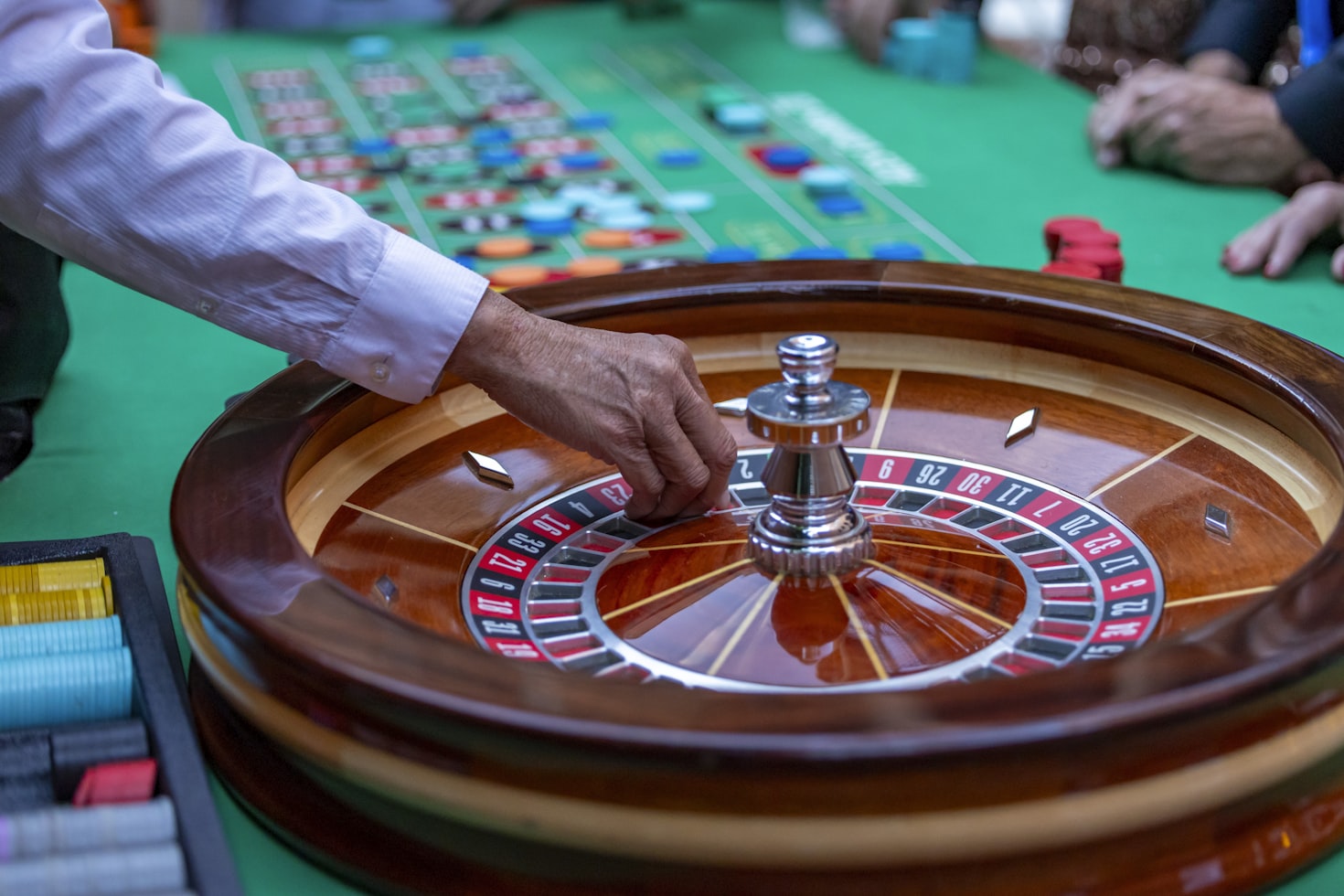
In many indigenous cultures, gambling played a crucial role in social interactions and rituals. Native American tribes often engaged in games of chance not just for entertainment, but also for spiritual reasons, believing that these activities connected them to the divine. Throughout history, gambling has transcended mere entertainment, serving as a medium for social cohesion and cultural expression, revealing much about societal values and norms.
As societies evolved, so too did the forms and meanings of gambling. The Middle Ages saw the establishment of more structured betting systems, with the advent of card games and betting on sports. The Renaissance brought a renewed interest in games of chance, leading to the creation of modern casinos in the 17th century. This transition marked a significant cultural shift, embedding gambling into the social fabric of European society.
Gambling and Social Structure
Gambling often reflects and reinforces social hierarchies and structures within societies. In many cultures, access to gambling establishments can be indicative of one’s socioeconomic status. For instance, elite casinos in Las Vegas cater to affluent individuals, while smaller, local venues serve middle and lower-income populations. This division highlights how gambling spaces can mirror broader social inequalities, shaping the experiences of individuals based on their economic circumstances.
Moreover, gambling can serve as a tool for community bonding, particularly in rural areas where such activities bring people together. Traditional gambling events, such as fairs or local tournaments, foster a sense of belonging and community pride. These gatherings often blend cultural traditions with recreational activities, reinforcing local identity and providing opportunities for social interaction.
On the flip side, gambling can also create social tensions. The normalization of gambling in various societies sometimes leads to negative outcomes, such as addiction and financial hardship, particularly among vulnerable populations. This dual nature of gambling highlights its complex role in shaping social dynamics, often intertwining enjoyment with potential societal consequences.
Religious and Ethical Perspectives
The ethical implications of gambling vary significantly across different religious traditions. In many Abrahamic faiths, such as Christianity and Islam, gambling is often viewed as morally questionable or outright sinful. These perspectives stem from the belief that gambling promotes greed and can lead to unethical behavior. Such religious views influence the legal frameworks surrounding gambling in certain countries, reflecting the cultural values upheld by these communities.
Conversely, some cultures have a more accepting view of gambling as a form of entertainment or a test of luck. For example, in Hinduism, certain forms of gambling are celebrated during festivals like Diwali, where games of chance are seen as auspicious. This contrasts sharply with the prohibitive stance of other religions, showcasing how cultural context shapes the acceptance and practice of gambling across different societies.
As societies become increasingly diverse, the interplay between gambling, ethics, and religion remains a contentious topic. Debates surrounding responsible gambling and the role of regulation often intersect with cultural and religious beliefs, highlighting the ongoing dialogue about morality in relation to chance-based activities. This dynamic illustrates how gambling continues to provoke thought and discussion across the globe.
Modern Gambling in Global Society
The rise of technology has dramatically transformed the gambling landscape, making it more accessible and varied. Online casinos and mobile gaming apps have brought gambling into the homes of millions, allowing for a seamless integration of gaming into daily life. This technological shift has not only changed how gambling is conducted but also its cultural significance, as it becomes intertwined with the digital culture of convenience and immediacy.
Furthermore, modern gambling has sparked a robust global economy, with industries centered around betting, online gaming, and sports betting generating billions of dollars annually. Countries like Australia and the UK have developed extensive legal frameworks to regulate these industries, illustrating the growing recognition of gambling as a legitimate economic activity. This economic significance often enhances the cultural acceptance of gambling, as governments seek to profit from this popular pastime.
However, the global expansion of gambling has also raised concerns regarding regulation, responsible gaming, and the impact on mental health. Issues related to addiction and gambling-related harms are increasingly in the spotlight, prompting discussions about how societies can balance the enjoyment of gambling with the protection of vulnerable populations. The cultural significance of gambling in this modern context continues to evolve, reflecting broader societal attitudes toward risk and entertainment.

Conclusion and Insights on Gambling Culture
In summary, gambling holds a multifaceted place in cultures around the world, serving as a reflection of historical values, social structures, and ethical considerations. Whether viewed as a form of entertainment, a social bonding activity, or a moral dilemma, its significance transcends mere gameplay, delving into the heart of societal norms and beliefs. This intricate relationship underscores the importance of understanding the cultural context when analyzing gambling practices.
As we navigate the complexities of modern life, the role of gambling will likely continue to evolve. The internet has reshaped traditional notions, creating new opportunities and challenges alike. Engaging with gambling culture responsibly and ethically is crucial, as societies strive to reconcile the enjoyment of these activities with the potential risks involved.
For those looking to explore gambling within a safe and engaging framework, understanding the cultural implications is essential. Our platform provides insights and resources to navigate the world of gambling, ensuring informed choices and a rewarding experience. Join us in uncovering the rich tapestry of gambling across cultures, and discover how it continues to influence lives today.